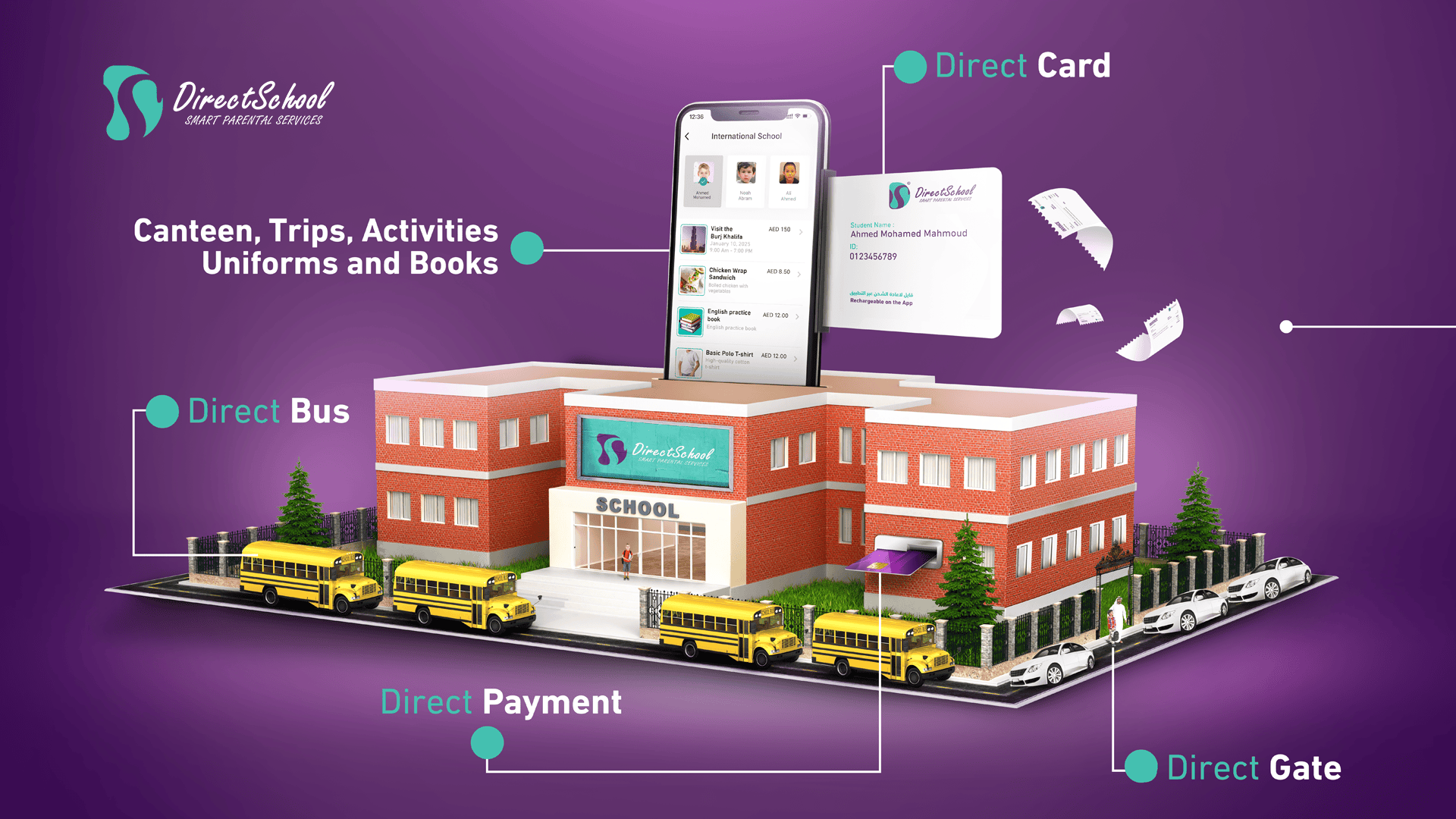
Digital Transformation in Schools: How to Build a Smart School and Lead Education Success in 2026
Today, the success of schools no longer depends only on academic curricula or student numbers. Modern educational institutions are now evaluated by their ability to adopt technology and implement digital transformation in schools effectively. With the rapid development of educational technology, traditional school management methods are no longer enough to meet the expectations of students, teachers, and parents.
That is why thousands of schools are moving toward digital transformation in education by adopting school management systems, e-learning platforms, smart classrooms, and modern digital solutions to create a more advanced and efficient learning environment.
If you are a school owner, principal, or educational administrator looking for ways to improve your institution, enhance operational efficiency, and provide a better educational experience, this comprehensive guide will show you how digital transformation for schools can completely reshape the future of your institution.
What Is Digital Transformation in Schools?
Digital transformation in schools refers to the use of modern technology and digital systems to manage educational and administrative operations electronically instead of relying on traditional methods.
This includes:
Digital student management
Attendance tracking systems
Academic performance monitoring
Online assignments and exams
Communication with parents
Smart classrooms
E-learning platforms
The goal of digital transformation in education is not only to use technology but also to improve educational quality, simplify school management, and create a fully integrated learning experience.
Why Digital Transformation Is Essential for Every School
In recent years, the expectations of students and parents have changed dramatically. Families now prefer schools that provide advanced digital learning environments and modern educational technologies.
Schools that implement digital education systems are more capable of:
Attracting new students
Building trust with parents
Improving student performance
Simplifying school administration
Reducing administrative errors
Increasing teacher productivity
On the other hand, schools that still rely entirely on traditional systems often struggle to remain competitive.
How Digital Transformation Helps Schools Improve
1. Improving Educational Quality
Using technology in modern education allows teachers to deliver more interactive and engaging lessons, helping students understand and retain information more effectively.
E-learning platforms also give students access to lessons and assignments anytime and anywhere.
2. Simplifying School Management
With digital school management systems, schools can manage daily operations more efficiently, including:
Student registration
Attendance tracking
Tuition fee management
Reporting and analytics
Timetable organization
This significantly saves time and reduces administrative workload.
3. Enhancing Communication with Parents
One of the biggest advantages of digital transformation in education is improving communication between schools and families.
Schools can instantly send:
Student grades
Notifications
Homework updates
Attendance reports
Important announcements
through school apps and digital platforms.
4. Increasing Teacher Efficiency
Smart education solutions help teachers:
Create online exams easily
Grade assessments automatically
Track student progress
Upload educational content quickly
This reduces manual work and increases productivity.

Digital School Management Systems: The Modern Solution
School management software has become one of the most important tools for modern educational institutions.
These systems help schools manage:
Student Affairs
Student records
Attendance
Academic history
Financial Operations
Tuition fees
Invoices
Financial reports
Teacher Management
Schedules
Payroll
Performance evaluations
Communication
Instant messaging
Parent notifications
School announcements
Choosing the best school management system allows schools to operate more professionally and efficiently.
E-Learning Platforms: The Future of Education
Education is no longer limited to traditional classrooms. Today, e-learning platforms for schools are an essential part of modern education.
These platforms provide:
Virtual classrooms
Online educational content
Digital exams
Homework management
Student progress tracking
They also support self-learning and offer students greater flexibility.
LMS vs School Management Systems
Many people confuse Learning Management Systems (LMS) with school management systems, but they serve different purposes.
School Management Systems
Focus on administrative operations such as:
Student records
Attendance
Tuition management
Administrative reports
Learning Management Systems (LMS)
Focus on the educational process, including:
Lessons
Assignments
Exams
Student-teacher interaction
Modern smart schools often integrate both systems to achieve maximum efficiency.
Why Smart Schools Achieve Better Results
Smart schools are becoming increasingly successful because they rely on modern educational technology.
Key benefits of smart schools include:
Advanced Learning Experiences
Interactive displays and educational applications make learning more engaging.
Faster Administration
All school data is stored digitally and easily accessible.
Improved Student Performance
Interactive learning methods help students understand concepts more effectively.
Higher Parent Satisfaction
Parents appreciate being able to monitor their children’s progress in real time.
Benefits of Digital Transformation in Education
Digital transformation in educational institutions offers numerous advantages.
Reducing Costs
Digital systems reduce paper usage and manual processes, lowering operational expenses.
Improving Performance
Smart systems provide accurate reports and data-driven insights.
Supporting Remote Learning
Students can continue learning from anywhere.
Better Organization
Daily school operations become more structured and efficient.
Enhancing School Reputation
Technology-driven schools appear more professional and modern to parents and students.

Steps to Implement Digital Transformation in Schools
Step 1: Identify School Needs
Schools should first analyze their current challenges and define their goals.
Step 2: Choose the Right System
Selecting the best school management software and e-learning platform is crucial.
Step 3: Train Staff
Successful digital transformation depends heavily on proper staff training.
Step 4: Upgrade Infrastructure
Schools need reliable:
Internet connections
Devices
Networks
Cybersecurity systems
Step 5: Monitor and Improve
Continuous evaluation helps schools optimize their digital systems over time.
The Role of Artificial Intelligence in Education
Artificial Intelligence in education is one of the fastest-growing educational technologies.
AI helps schools:
Analyze student performance
Personalize learning experiences
Provide intelligent recommendations
Monitor educational progress
AI-powered tools significantly improve learning efficiency and student engagement.
Cybersecurity in Digital Schools
As schools increasingly rely on digital systems, cybersecurity becomes critically important.
Schools must protect:
Student information
School accounts
Educational databases
Digital communication systems
Choosing secure and reliable digital platforms helps schools avoid technical and security risks.
How Digital Transformation Helps Schools Attract More Students
Today, parents prefer schools that use modern technology and offer digital learning experiences.
A complete digital system helps schools:
Improve their reputation
Build trust with parents
Offer better services
Enhance communication
Improve educational quality
As a result, digitally advanced schools often experience increased student enrollment.
Online Assessments: The Future of Exams
Digital assessments have become one of the most important components of modern digital education.
Their benefits include:
Faster grading
Reduced human errors
Detailed performance reports
Time-saving processes
Online exams also provide students with a more flexible and modern experience.
The Future of Digital Transformation in Schools
Experts predict that smart schools will become the standard educational model in the coming years.
Future trends include:
Greater AI integration
Expansion of remote learning
Virtual and augmented reality classrooms
Smart learning analytics
Advanced interactive education technologies
Investing in digital transformation today gives schools a major competitive advantage in the future .
.
Why Your School Needs Digital Transformation Today
If you want to:
Improve educational quality
Simplify administration
Increase parent satisfaction
Enhance teacher productivity
Improve student outcomes
Build a future-ready institution
then digital transformation for schools is no longer optional — it is essential.
How to Choose the Best Digital Transformation Provider
When selecting a digital transformation company or platform, schools should focus on:
Ease of Use
The system should be simple and user-friendly.
Technical Support
Reliable support is essential for solving technical issues quickly.
Security
Data protection should be a top priority.
Scalability
The platform should grow with the school’s future needs.
Integration
It is best to choose systems that combine administration and e-learning in one platform.
Conclusion
Digital transformation in schools has become the foundation of successful modern education. It helps institutions improve educational quality, optimize management processes, and enhance the overall school experience.
Schools that adopt digital school management systems and e-learning platforms are more competitive and better positioned to satisfy students and parents.
With the rapid advancement of educational technology, building a smart school is no longer difficult — it is a strategic investment that secures long-term success.
If your goal is to modernize your institution and achieve real educational growth, now is the perfect time to begin your digital transformation journey.